
When being “fine” means being missed
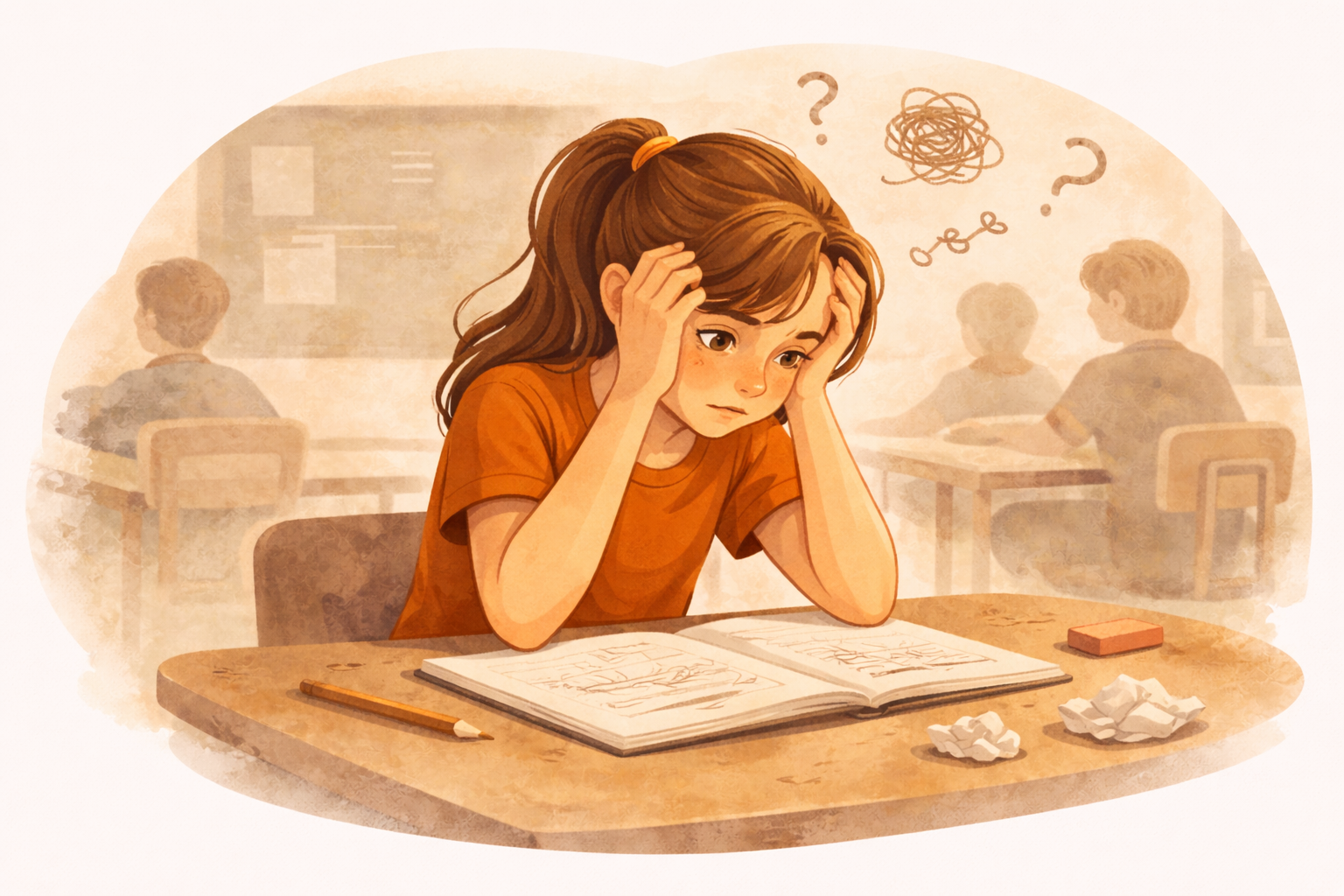
Any orthopedic surgeon will tell you, it’s a whole lot easier to diagnose a dislocated shoulder than a stress fracture. Why? Because patients can live with a stress fracture for years without knowing, while a dislocated shoulder quite literally pops out.
In the medical world, sometimes being “fine” means being missed, and the same principle stands for diagnosing learning differences. Particularly when it comes to young girls.
As someone who has lived this experience myself, allow me to take you back in time to 2005, when my journey with learning differences formalized.
“I’m sorry, Mrs. Jennings, your daughter simply lacks interest in learning and the classroom won’t ever be a place where she’s likely to succeed.” This wasn’t the first time my mother had heard this from my teachers, but something didn’t sit right with her. She had known me to be curious, always asking questions, and displaying a clear love for learning outside the schoolhouse, but obviously that wasn’t translating into Ms. Merrick’s first grade homeroom.
It was at this point I was offered an opportunity that changed my life - a Psychoeducational Evaluation. My mom thought something might be wrong, and as it turned out, she was right. The screening found I was dyslexic, with ADD, and some auxiliary processing disorders. Thankfully, such a young diagnosis and access to key resources helped me address many of the shortcomings that had originally been viewed as apathy.
Unfortunately, this early recognition, testing, and treatment is quite rare. It’s particularly true in young girls who struggle the most with underdiagnosis as their challenges are often less visible and more easily masked.
Why gender matters
It is well documented that boys have a higher rate of diagnosed learning diversity, such as dyslexia. However, experts caution that these noticeable differences may reflect referral and diagnostic biases, rather than true prevalence (1,2). Boys often exhibit more overt or externalized behavioral difficulty, which in turn draws greater educational and clinical attention, leading to disproportionately higher diagnosis rates (3).
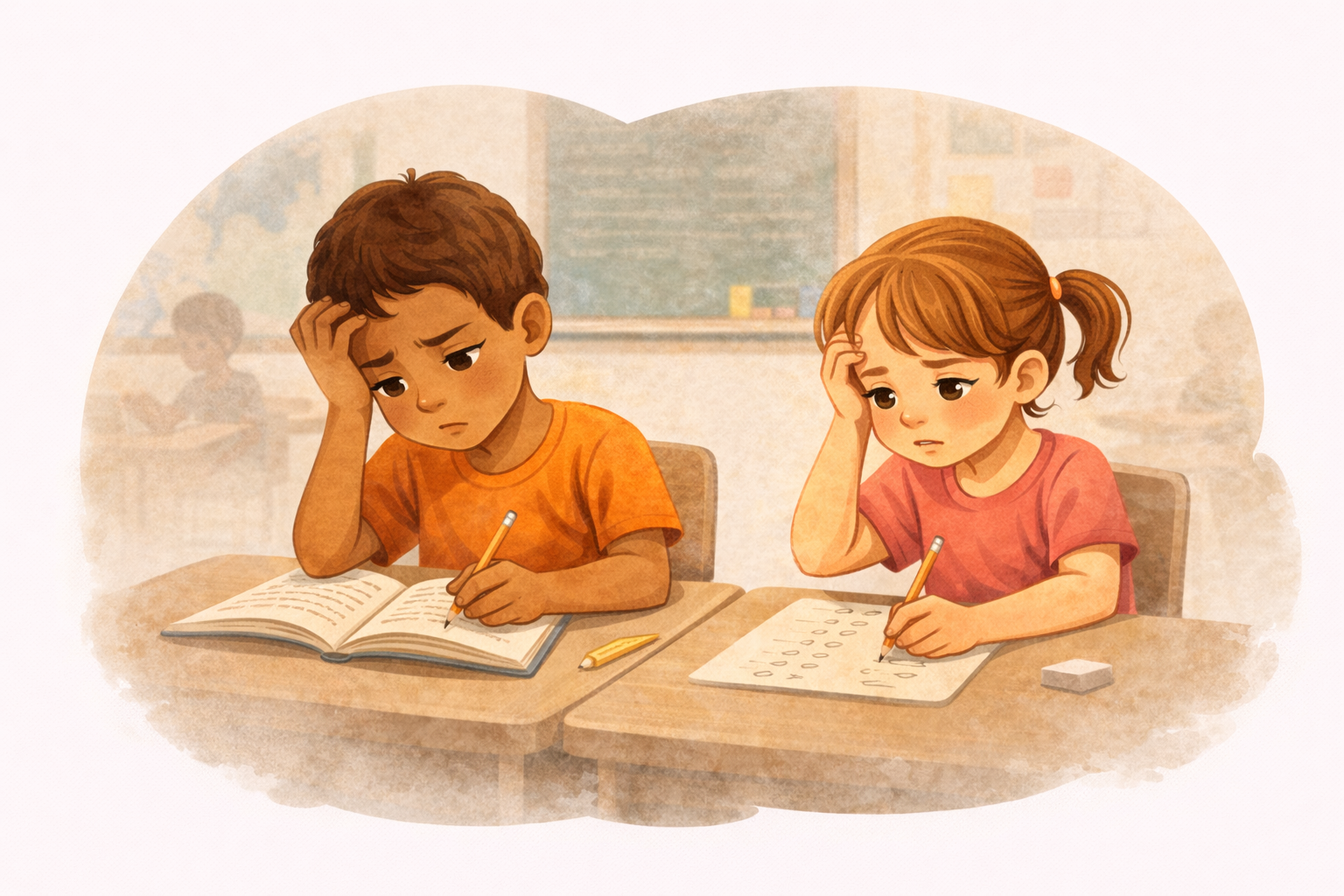
In other words, boys demonstrate more obvious examples of behaviors that might trigger a teacher to recommend their parents seek a Psychoeducational Evaluation.
As further evidence of this referral bias, data shows that when universal screening tools are used, the apparent gender gap in learning differences significantly narrows. So this suggests that boys’ overrepresentation in diagnoses, at least in part, stems from referral patterns rather than true prevalence differences (4).
This finding draws attention to the need for systematic, early assessment to ensure that all students, regardless of gender, are accurately identified. But it also highlights a key concept when discussing the impact of gender on learning differences - masking.
The hidden cost of “masking”
In contrast to boys’ more evident behavioral symptoms, girls often attempt “camouflaging” or “masking” their learning differences. These terms refer to the cognitive and behavioral strategies students use to conceal their neurodiversity (5). Research shows that women with dyslexia frequently rely on verbal memory, contextual guessing, and meticulous attention to detail to perform well in class while concealing their internal struggles with decoding and spelling (4).
These strategies may enable short-term success. However, inadvertently the concealment obscures the need for academic support by their teachers and they are often mislabeled as disengaged and unmotivated. Much like the stress fracture analogy, less obvious symptoms can allow for the problem to exist undetected for years.
As for why gender appears to impact the adoption of masking behavior? The research is still underway. The current leading theory is that girls often experience greater societal pressure to be compliant, quiet, and eager to please, traits that inadvertently encourage them to hide their struggles (6). When you consider this in a classroom setting, a student who avoids reading aloud, or consistently produces neat but error-prone work, may be seen as conscientious rather than as a learner in need of support. When considering the net impact of these cognitive and social dynamics, we see the continuous under-identification of women with dyslexia and other learning differences.

This issue of delayed or inaccurate diagnosis due to masking is also prevalent in autism. Autistic women have been found to develop compensatory strategies or exhibit socially “acceptable” behaviors. Take quietness, as an example. A young boy who avoids speaking to others is more likely to be recommended for psychiatric evaluation, while a quiet girl may be perceived as shy, respectful, or thoughtful. Studies on autism spectrum disorder corroborate this effect and demonstrate that females are typically diagnosed later than males or misdiagnosed entirely with conditions such as anxiety or obsessive-compulsive disorder (6).
When female students manage to “get by” through masking, the hidden effort comes at a high cost: cognitive fatigue, high stress, reduced self-efficacy, and underachievement relative to potential (7). Late identification or misinterpretation often leads to diminished engagement, sometimes leading to school avoidance or dropout. Countless parents have received messages from teachers similar to mine - noting their child’s struggle in the classroom. Unfortunately the majority of those messages do not lead to proper diagnosis, and in many cases, leave parents frustrated with their child’s perceived lack of effort. These gaps underscore the importance of system-level approaches to early identification and sustained support.
These cross-condition patterns reveal the structural factors - reliance on observable behaviors, referral-driven assessments, gendered expectations, and the overrepresentation of male test subjects, can all lead to systematic underdiagnosis. Recognizing these dynamics and pushing leaders in education to be proactive in designing preventative measures can improve equity across neurodiverse conditions.
Early identification of learning differences
While educators are continuing to develop novel methods to address the diagnostic gap, there are already researched strategies that help push us closer to a level playing field. One of the most straightforward remedies is reducing the barriers to early screening, so more students can be tested from the beginning. An example of this endorsed by the International Dyslexia Association are assessments embedded in class-wide curriculum. Easy to integrate tools like this can help identify students who would otherwise mask difficulties and reduce overreliance on teacher referrals (8).
While the goal should be to provide support for teachers wherever possible, in practice, many environments will not be able to adopt such measures. Which means teacher awareness and training remain critical to effective identification. In an ideal situation educators would be able to recognize less obvious profiles of learning differences, normalize referrals, and try to interpret potentially related behaviors (8). Of course, getting to this level of proficiency requires training. Professional learning opportunities, such as workshops on inclusive education and intervention management, are the best in class method to prepare teachers, although they can be expensive and time intensive (9). Meanwhile, organizations like the International Dyslexia Association and The Autism Project also work to make similar materials accessible to a wider audience through online courses.
Beyond the classroom, parental awareness plays a vital role in early identification and support. In my case, it was my mother’s suspicion that meant the difference between me being labeled as an uninterested student or an excited learner working through learning differences. When parents believe there might be reason for screening, taking proactive steps, such as consulting educators, reviewing credible resources, or seeking professional evaluations, can accelerate intervention. This is why it is so important for families to understand their child's educational rights and available advocacy channels. Whether it is through the child’s school, a nonprofit, or a government funded organization, at least some form of support is often available and can empower families to act effectively.
Flagging that a student might need further testing is the first key step to getting them the support they need. But once the evaluation is recommended, what happens next?
Testing
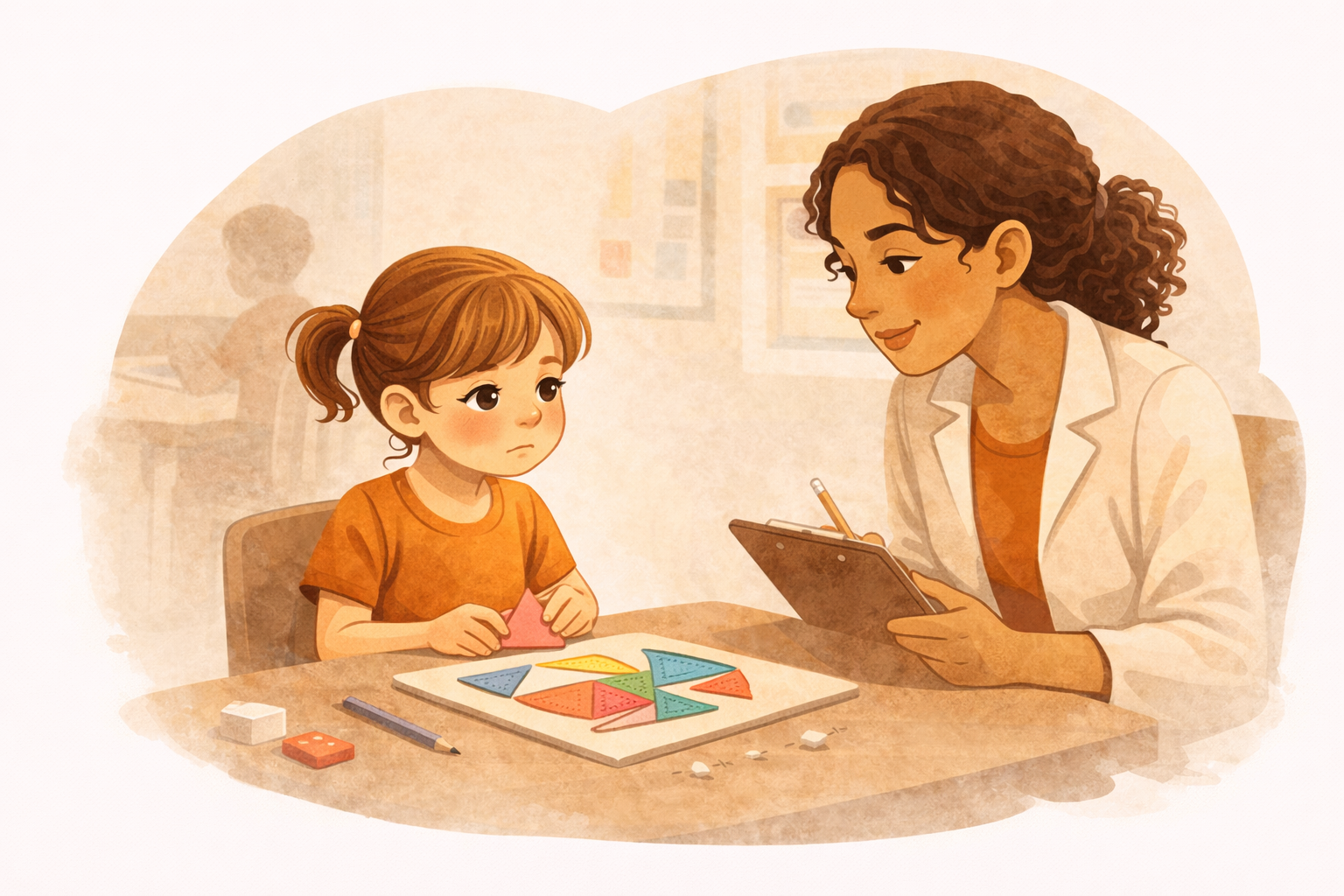
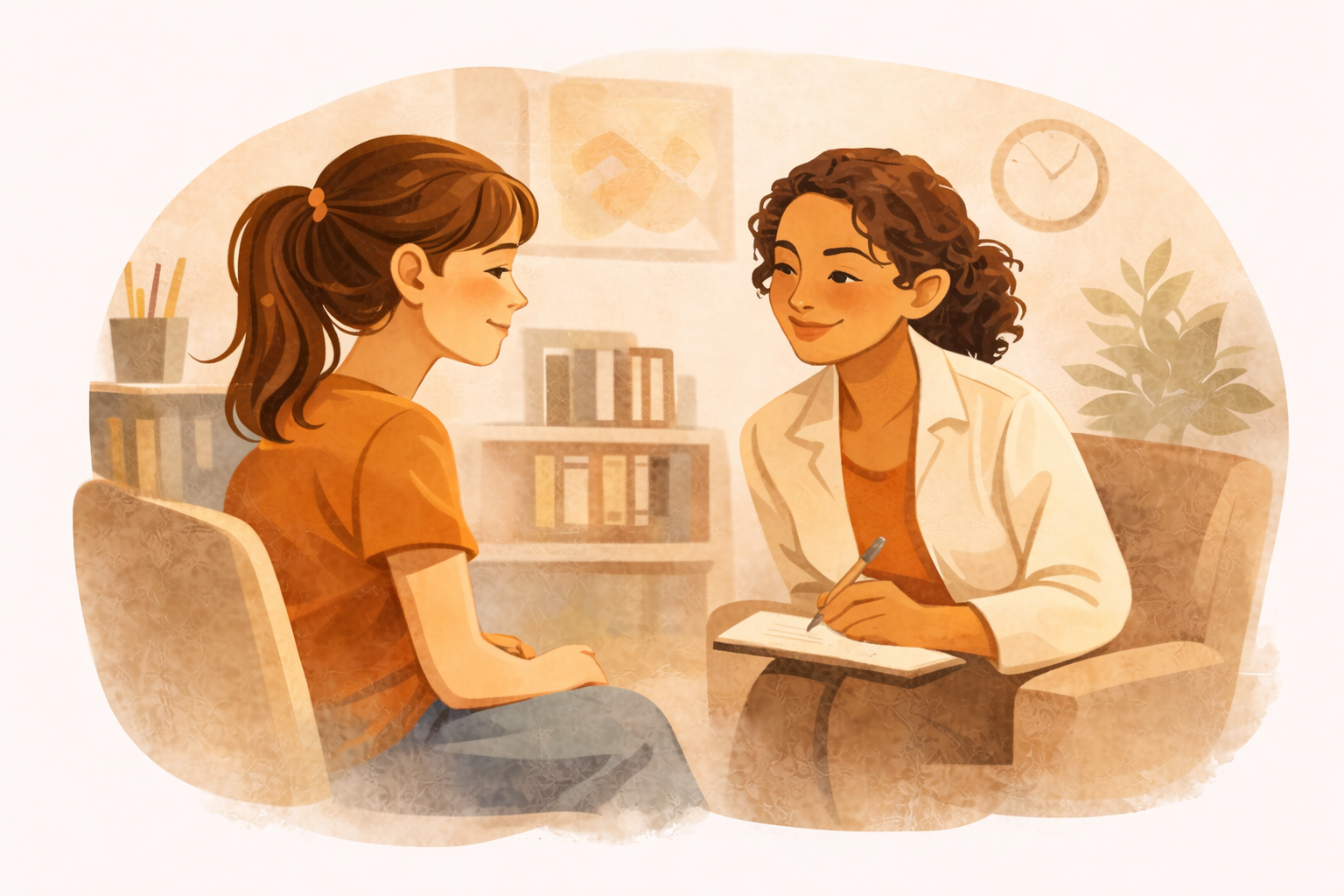
Once a teacher, parent, or accessibility coordinator at school decides a student should consider a formal evaluation, they move on to setting up an exam with a registered psychologist.
The term “Psychoeducational Evaluations” can sound daunting, but this is just an umbrella term for a series of different exams that can help figure out how someone’s brain works, where they struggle, and what supports can help them succeed. The process usually involves several hours of one-on-one testing, where the student completes standardized tasks and tailored interviews. Depending on the concern, such as autism, dyslexia, or ADHD, the evaluation may assess areas like reading and language skills, attention and executive function, social communication, memory, and processing speed.
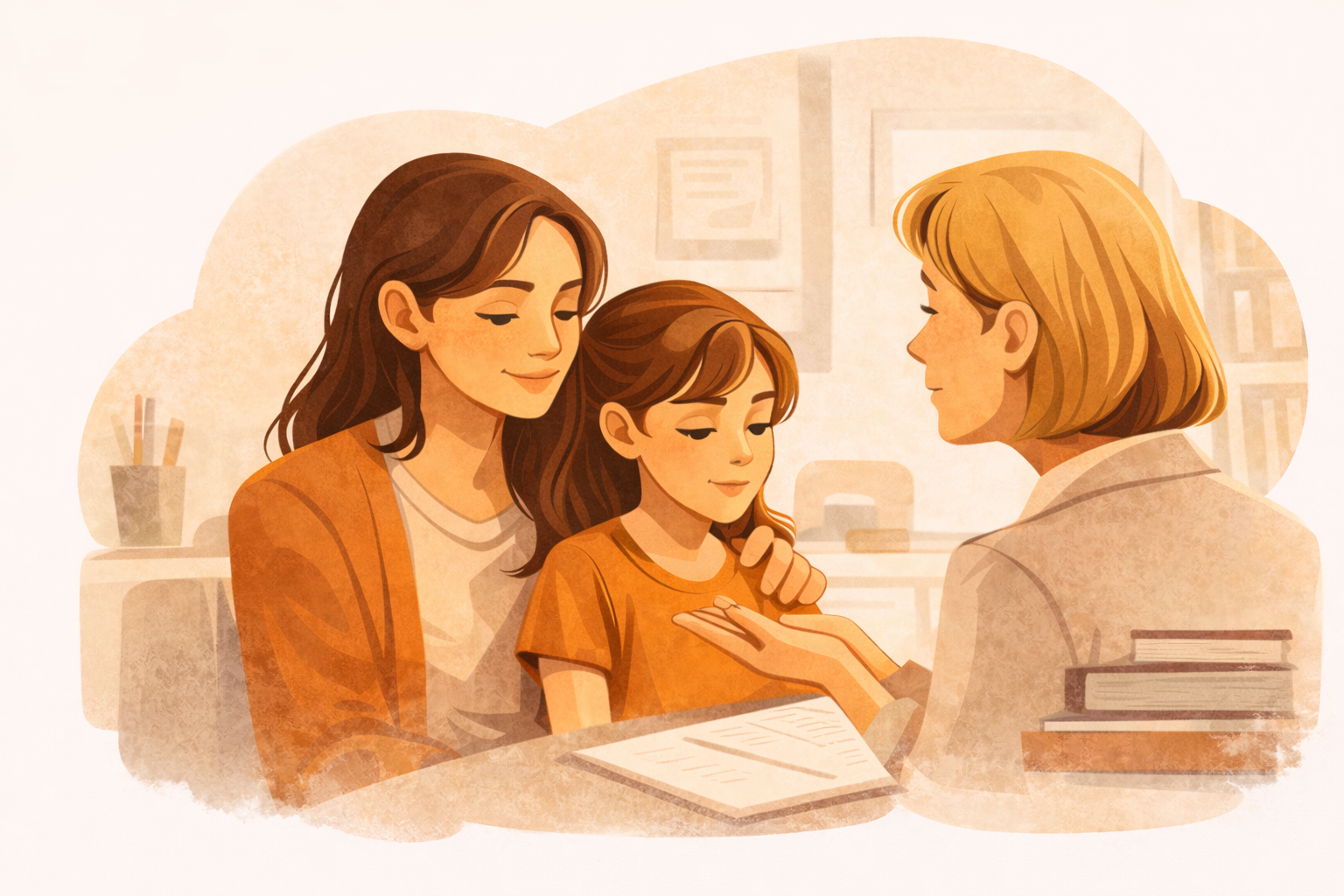
In some circumstances, schools or districts directly employ psychologists or have access to testing at significantly reduced rates. However, when those resources are not made available, comprehensive psychoeducational evaluations can cost thousands of dollars, putting them out of reach for many families (10).
Reducing barriers to assessment helps the entire neurodiverse community, but as with early detection, the impact is particularly significant in closing gender gaps in diagnosis. Due to the less visible behaviors we discussed in the early detection section, girls are disproportionately affected by the financial and logistical hurdles surrounding testing. When families encounter a significant road block in access to an evaluation, they are far more likely to postpone or skip entirely if their child is only showing some moderate signs of learning differences.
Expanding publicly funded screenings, increasing school psychologist staffing, and offering more affordable community-based evaluations can help ensure that all students, especially those whose symptoms are easily masked, receive timely diagnoses.
Why this matters
Early identification made all the difference in my education. Being diagnosed with dyslexia so early in my academic journey gave me access to the tools and support that made learning possible. My challenges could have easily been overlooked. For many girls, they are. They continue to compensate in silence, often at great personal cost. Addressing this inequity requires better assessment tools and leadership structures capable of implementing them. By reconfiguring screening, training teachers to look beyond surface behaviors, and designing referral systems that reduce bias, schools can identify students with learning differences earlier, alleviate needless suffering, and unlock the unrealized potential of many learners. For those of us invested in educational leadership, this is not merely a matter of diagnostic accuracy, it is a matter of justice.
References
(1) Shaywitz, S. E., Shaywitz, B. A., Fletcher, J. M., & Escobar, M. D. (1990). Prevalence of reading disability in boys and girls. Results of the Connecticut Longitudinal Study. JAMA, 264(8), 998–1002
(2) Poltz, N., Ehlert, A., Wagner, L., Kohn, J., Kucian, K., Quandte, S., … Esser, G. (2025). Gender differences in learning difficulties (LD): Prevalence and Comorbidities. Lernen Und Lernstörungen, 14(3), 145–156. https://doi.org/10.1024/2235-0977/a000477
(3) Eissa, M. (2010). Behavioral and emotional problems associated with dyslexia in adolescence. Current Psychiatry, 17, 39–47.
(4) Krafnick, A. J., & Evans, T. M. (2018). Neurobiological sex differences in developmental dyslexia. Frontiers in Psychology, 9, 2669. https://doi.org/10.3389/fpsyg.2018.02669
(5) Wood-Downie, H., Wong, B., Kovshoff, H., Mandy, W., Hull, L., & Hadwin, J. A. (2021). Sex/gender differences in camouflaging in children and adolescents with autism. Journal of Autism and Developmental Disorders, 51(4), 1353–1364. https://doi.org/10.1007/s10803-020-04615-z
(6) Gesi, C., Migliarese, G., Torriero, S., Capellazzi, M., Omboni, A. C., Cerveri, G., & Mencacci, C. (2021). Gender differences in misdiagnosis and delayed diagnosis among adults with autism spectrum disorder with no language or intellectual disability. Brain Sciences, 11(7), 912. https://doi.org/10.3390/brainsci11070912
(7) Mohd Nabil, N. Z.-I., Mohd Matore, M. E., & Zainal, M. S. (2025). Understanding early and late identification of dyslexia: A narrative review of diagnostic timing, systemic barriers, and educational equity. Journal of Social Science and Humanities, 22(3). https://doi.org/10.17576/ebangi.2025.2203.36
(8) International Dyslexia Association. (2017). Screening for dyslexia in K–2: Guidance for school leaders. https://dyslexiaida.org/universal-screening-k-2-reading/
(9) Vincent, R. G., & G., S. (2019). Classroom practices of teachers on learning disabilities in children. International Journal of Educational Management, 34(3), 562–575. https://doi.org/10.1108/ijem-07-2019-0228
(10) National Center for Learning Disabilities. (n.d.). Removing barriers for students with learning disabilities. National Center for Learning Disabilities. https://ncld.org/wp-content/uploads/2024/06/Download-this-Report.pdf